ABSENCES
ABSENCES
The permanence of the imperishable.
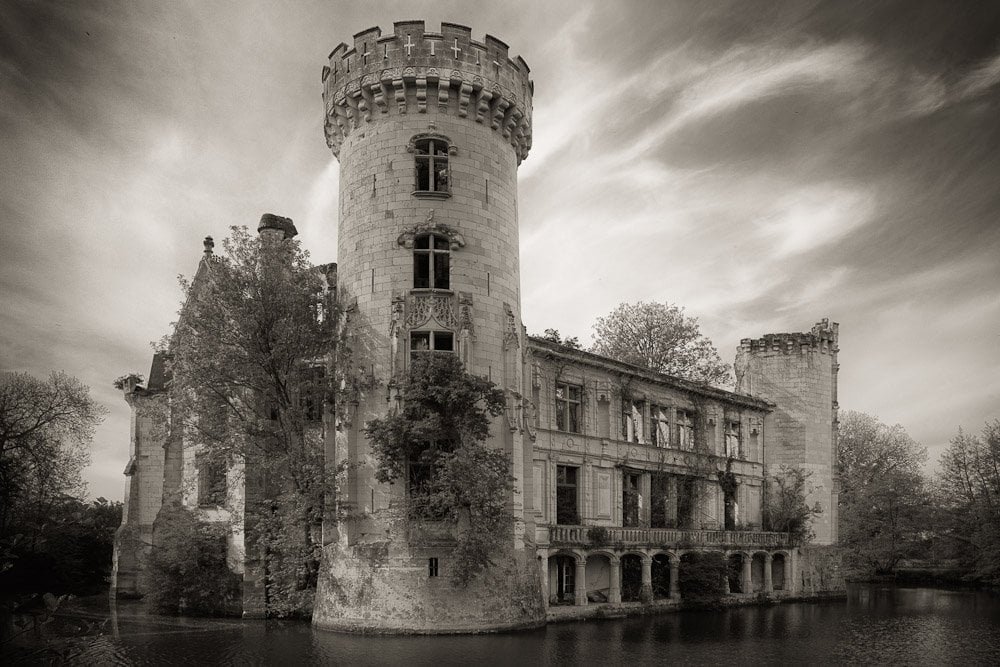
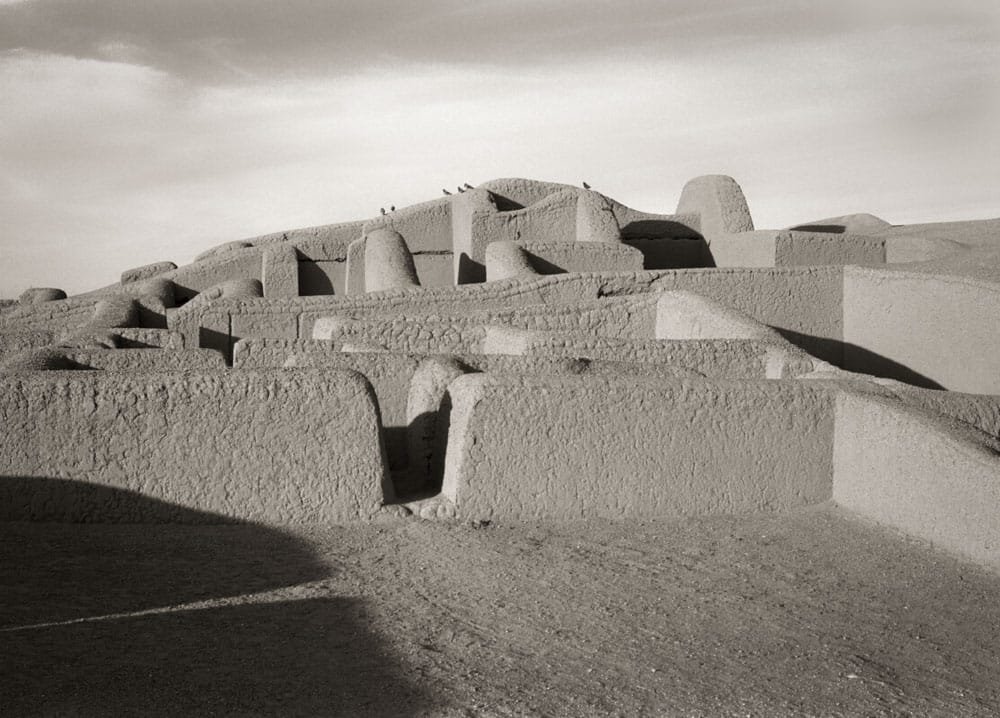
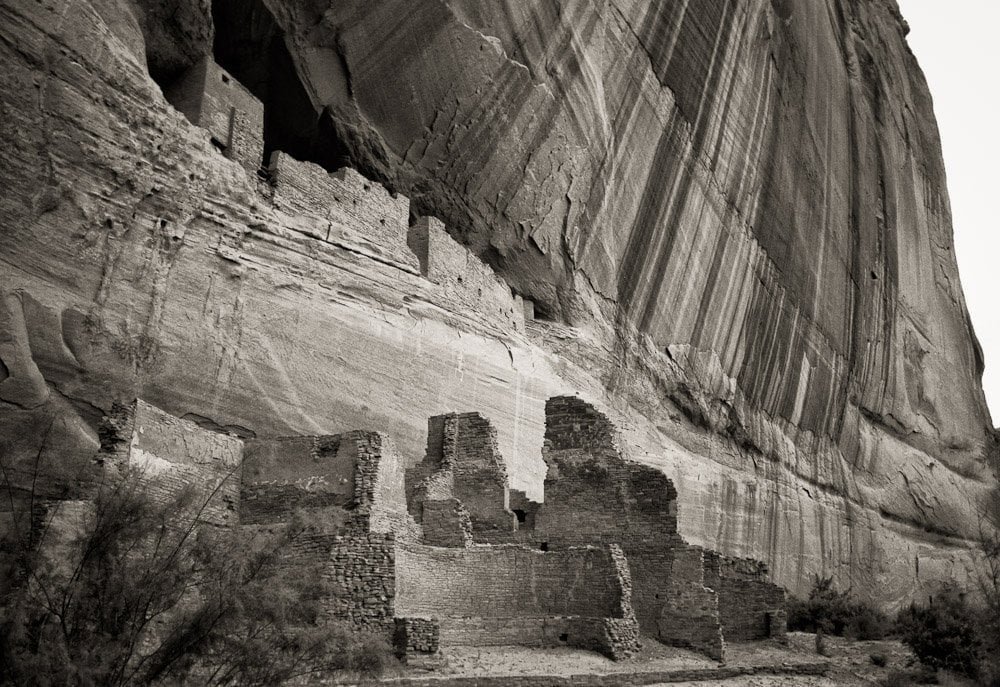
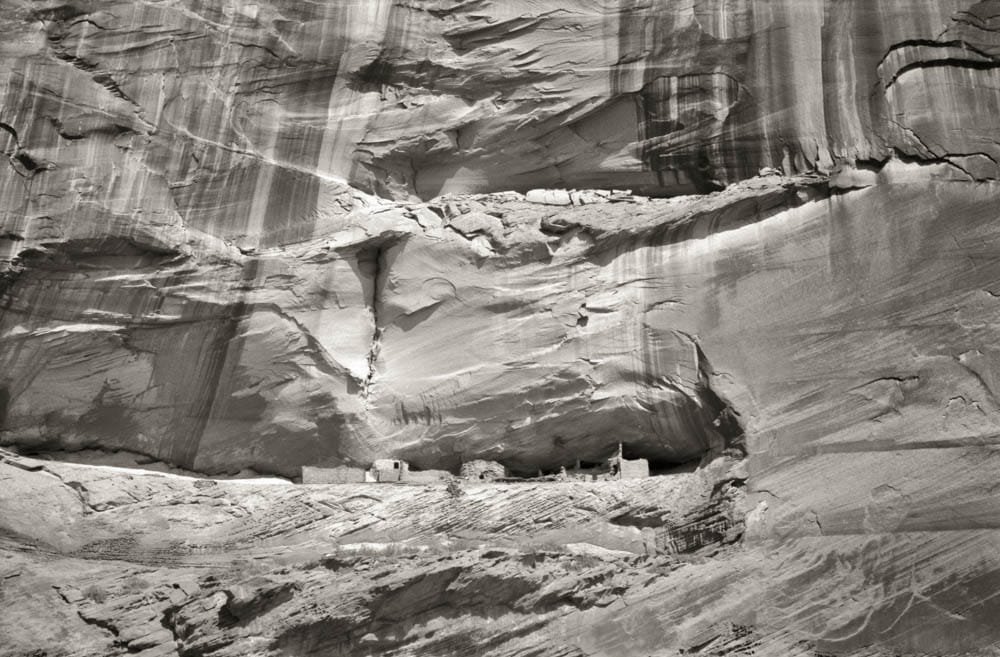
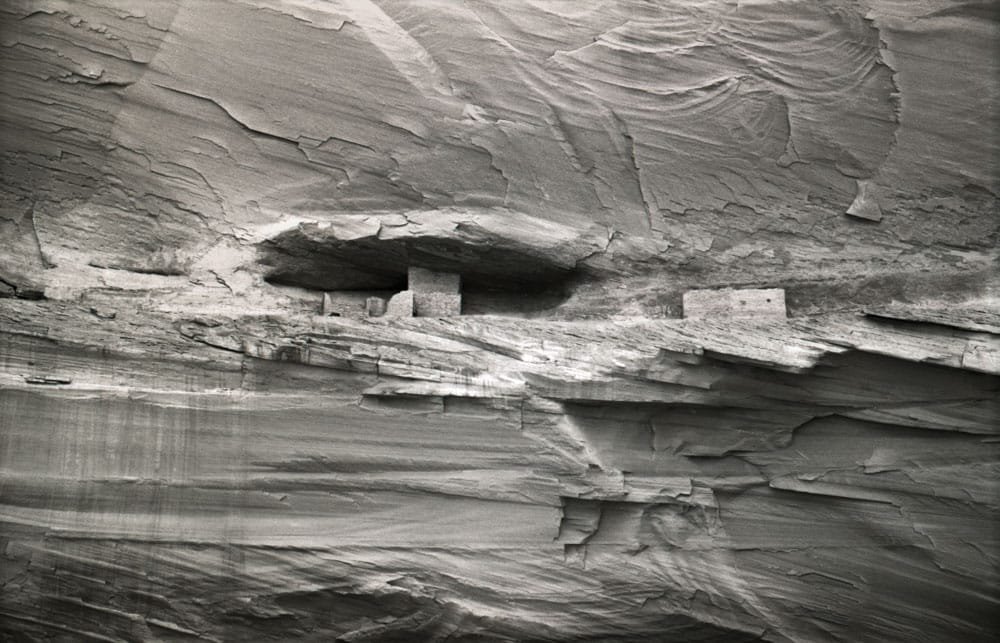
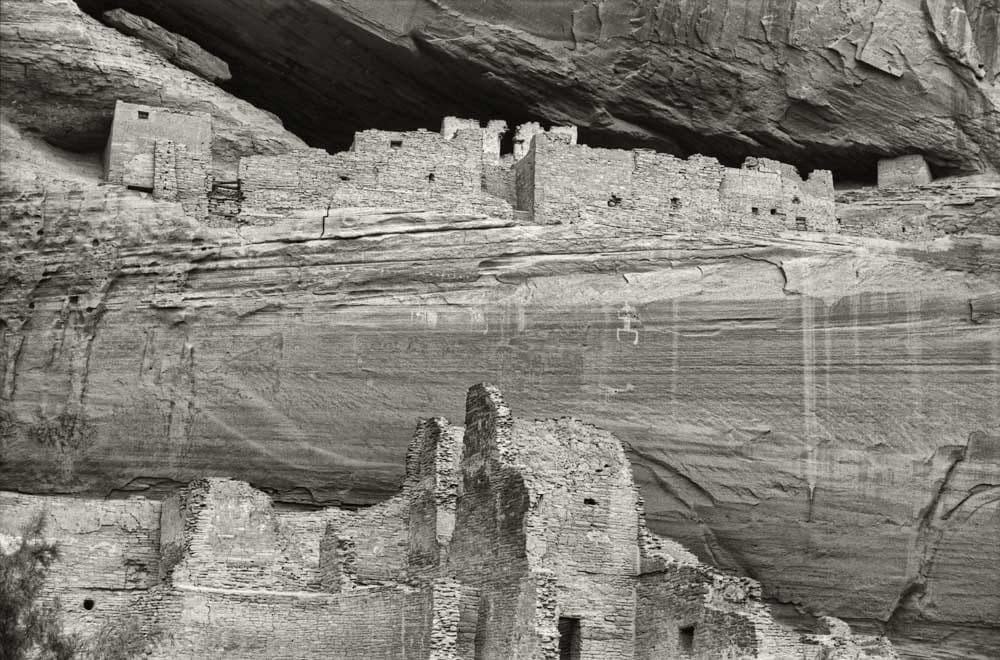
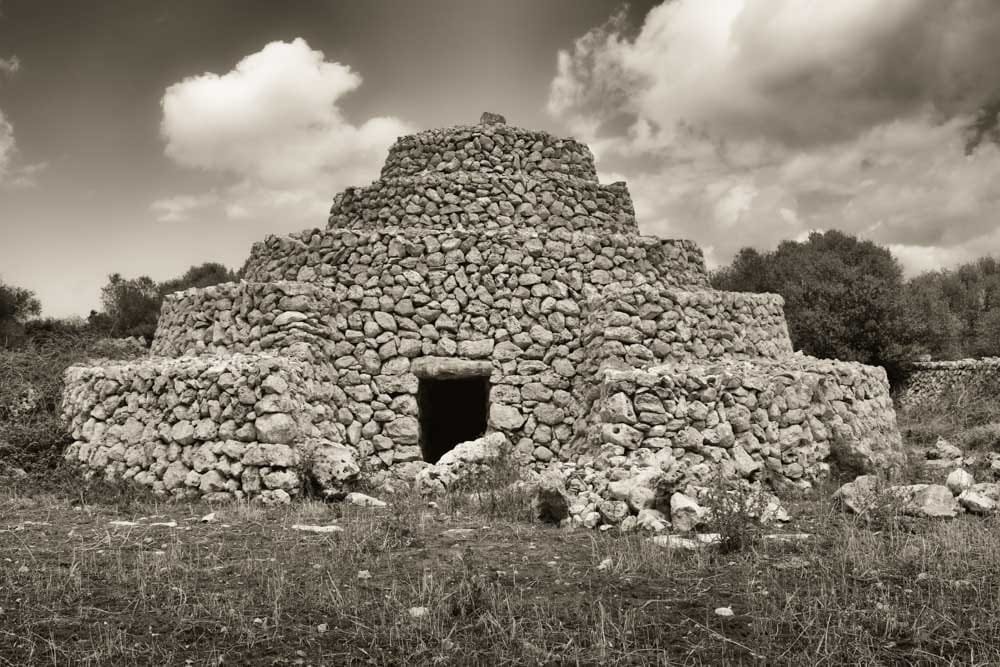
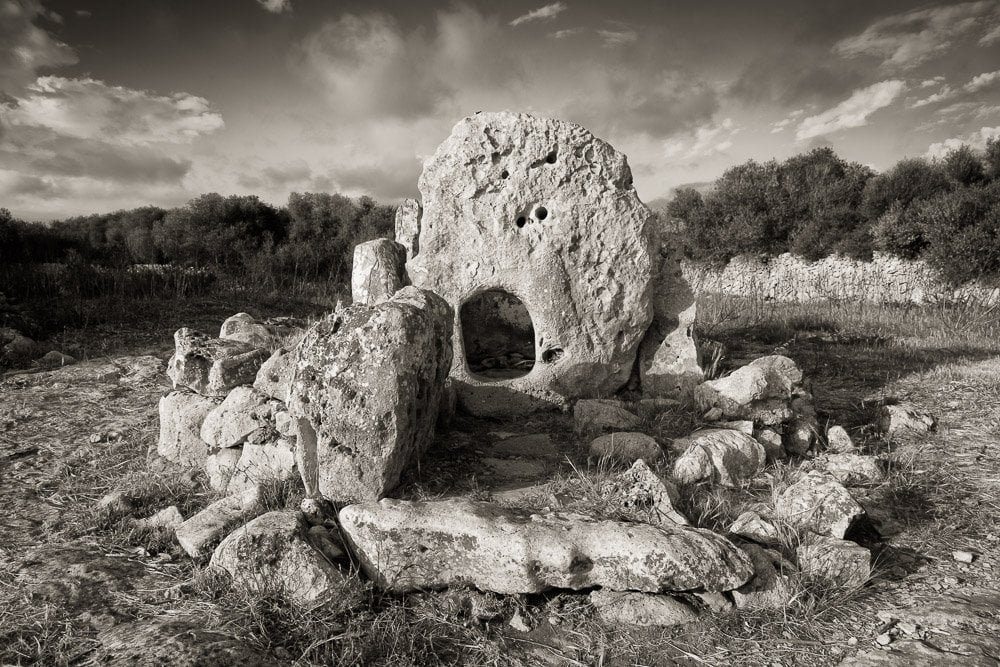
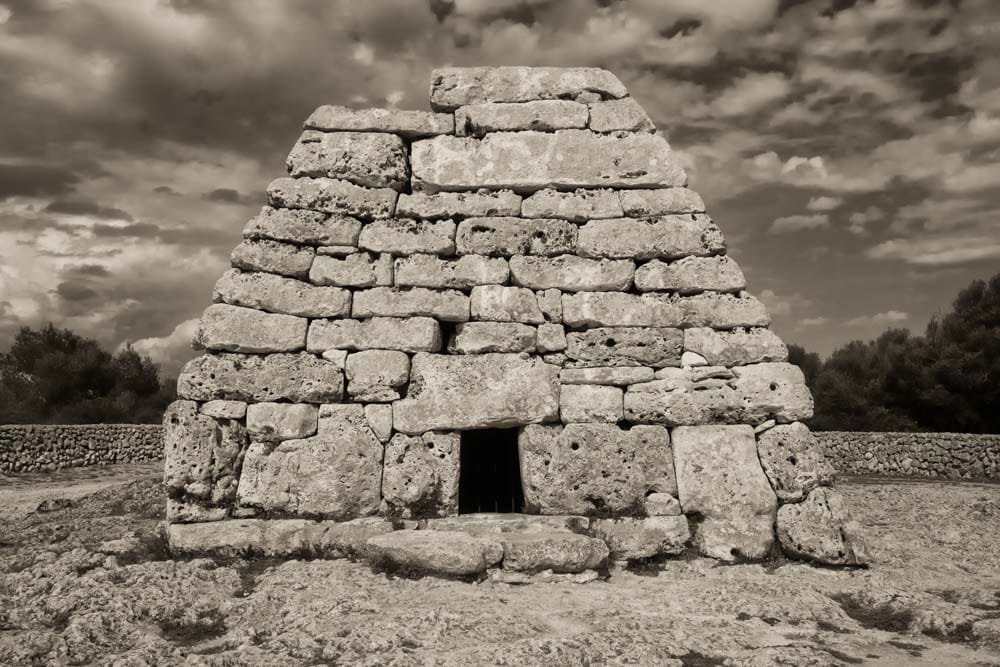
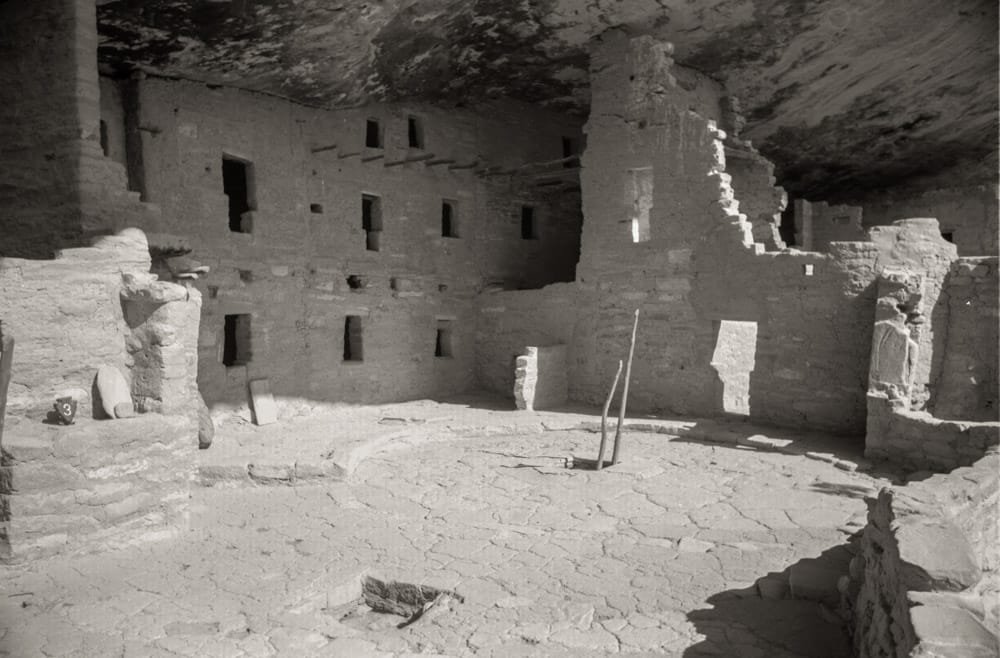
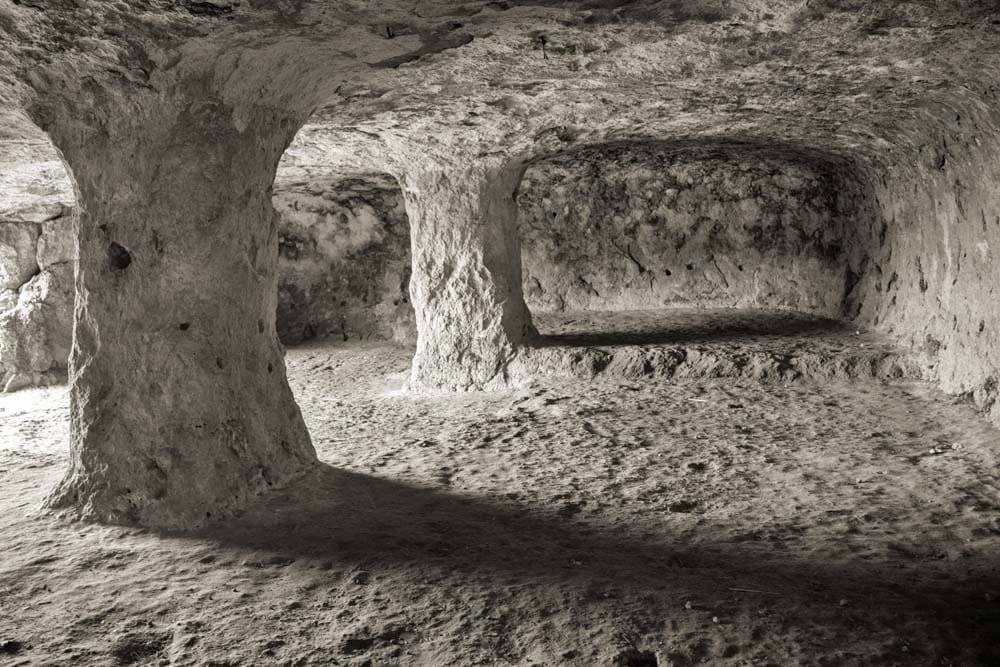
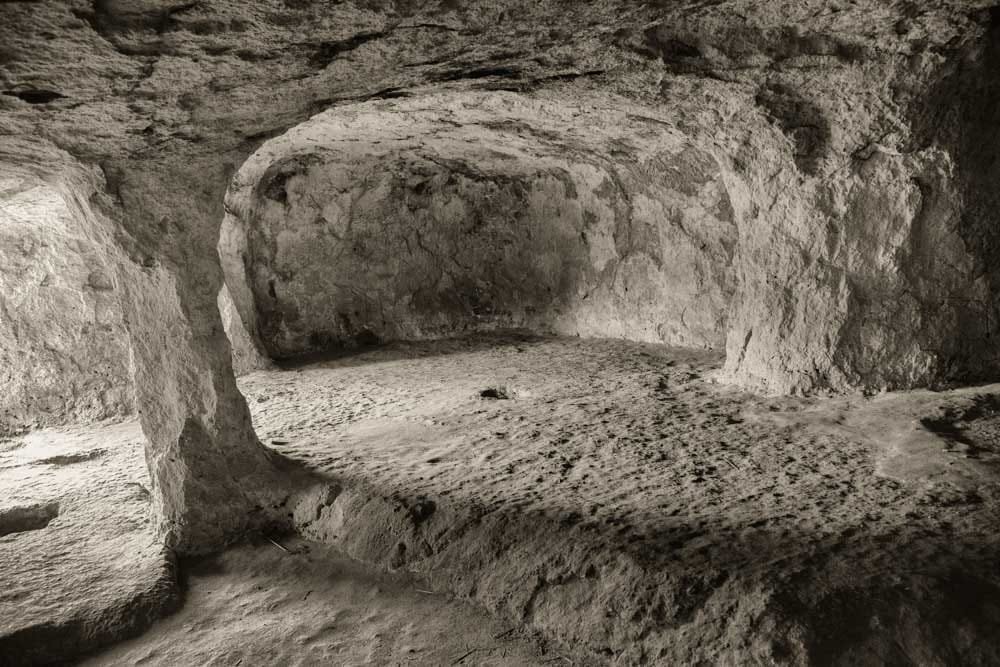
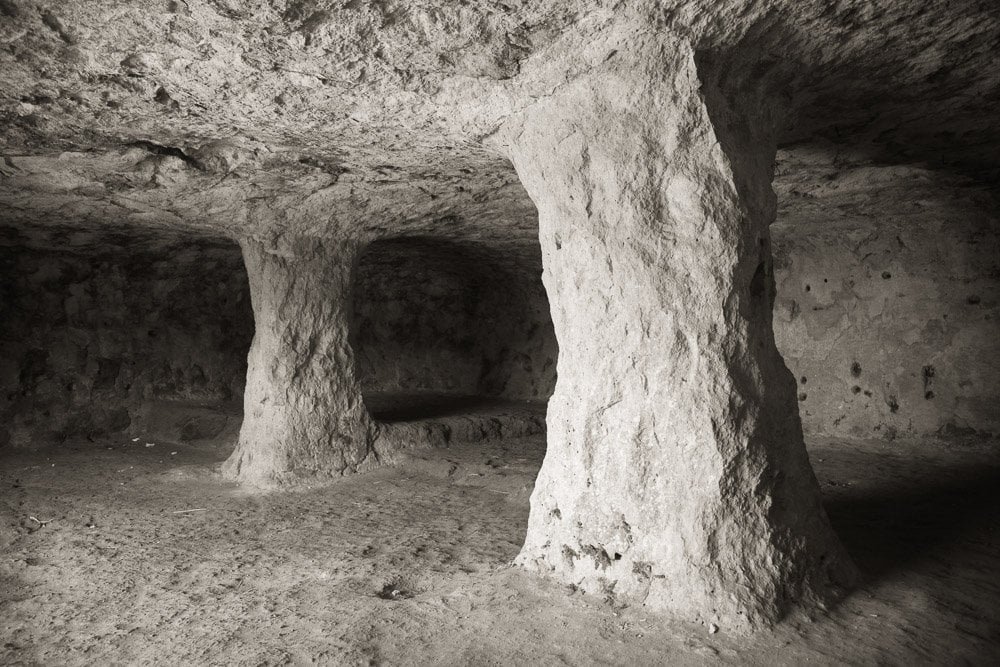
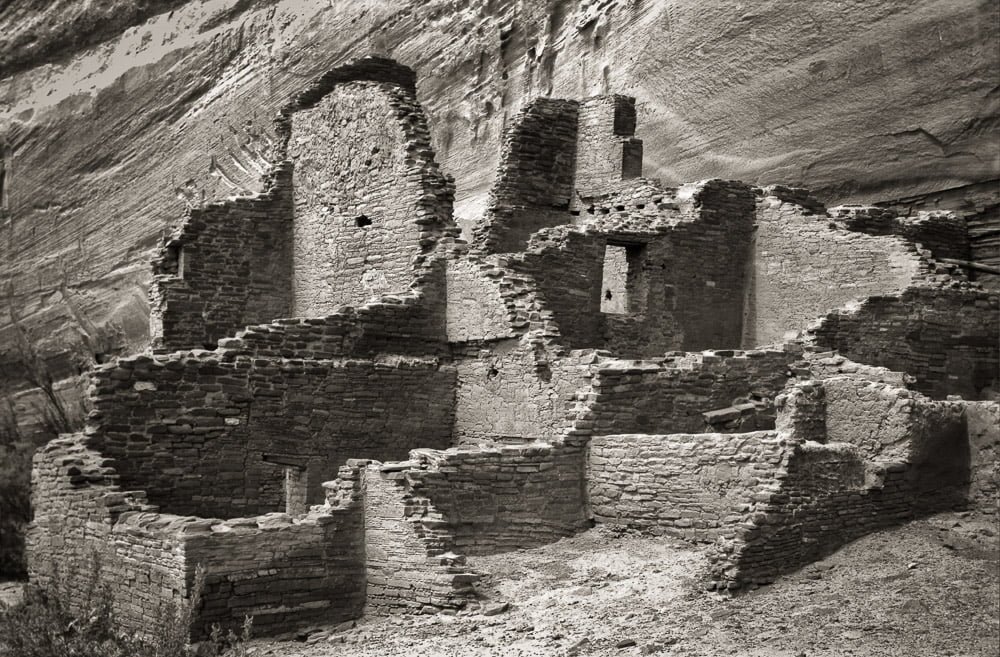
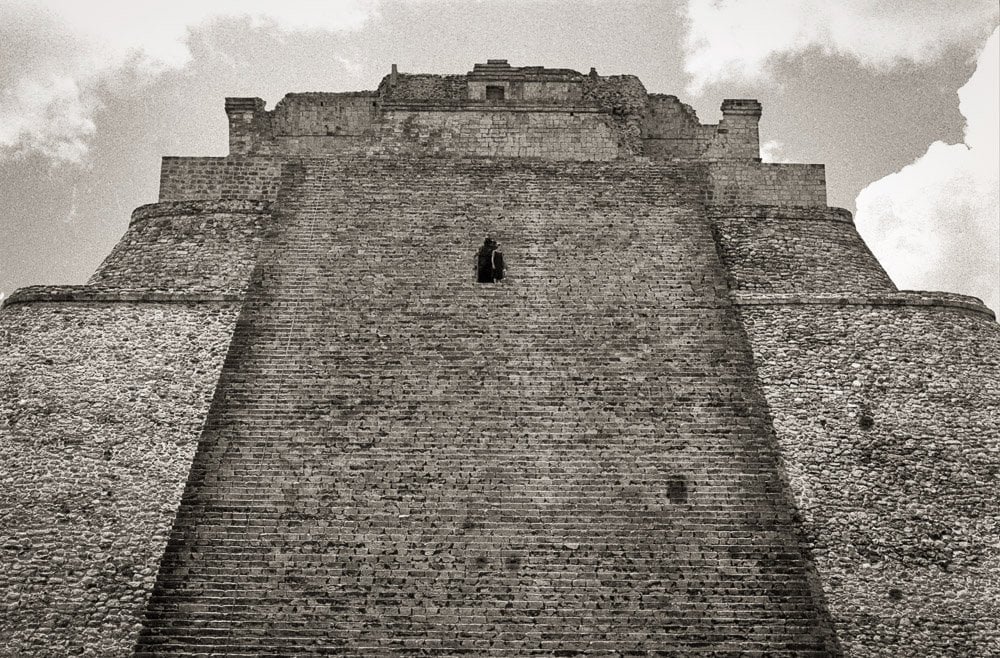
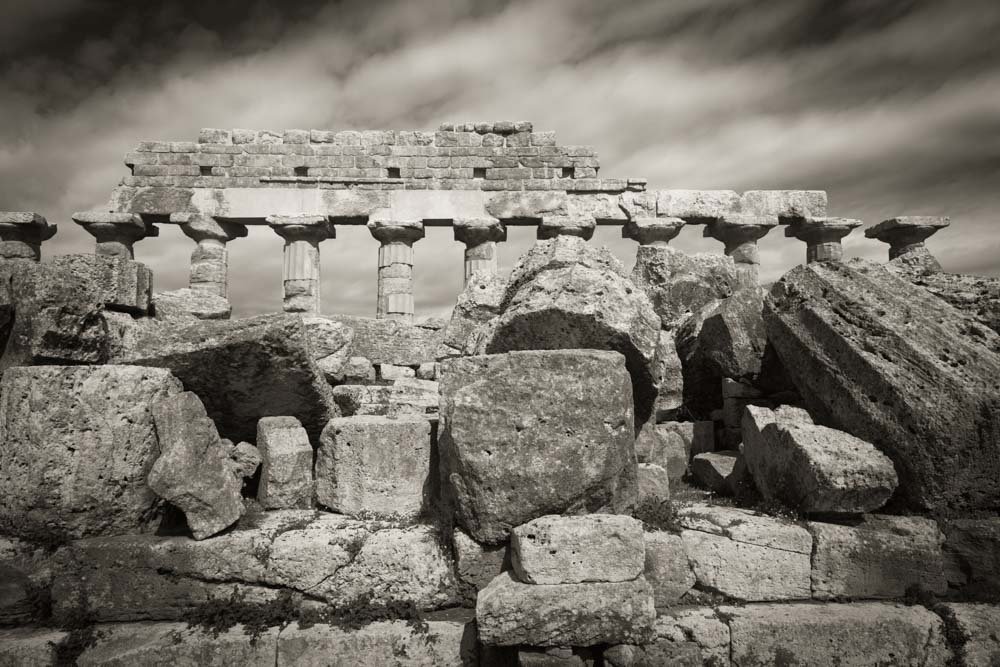
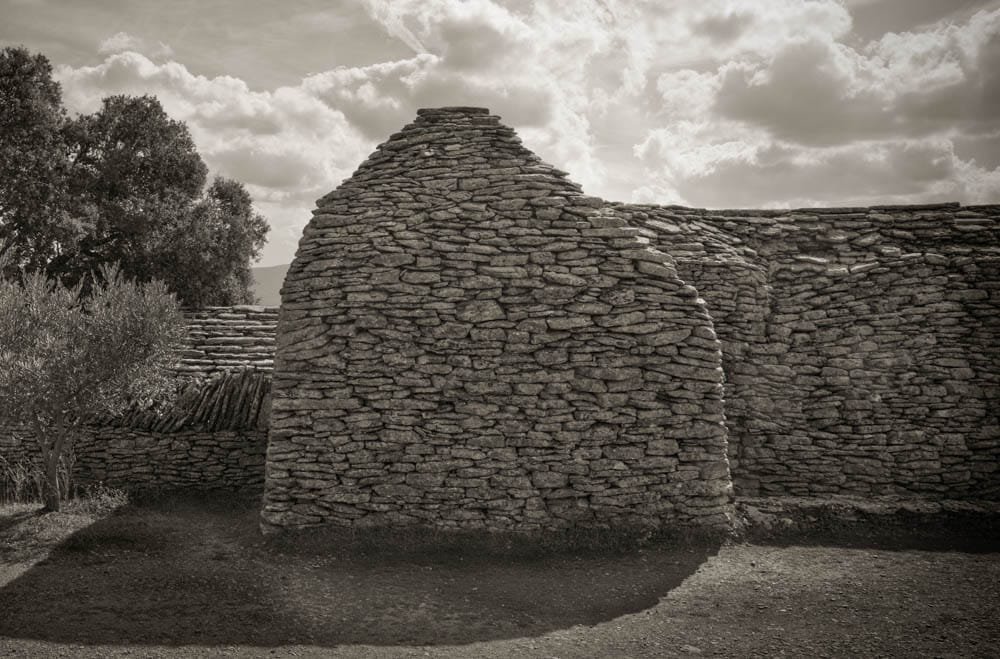
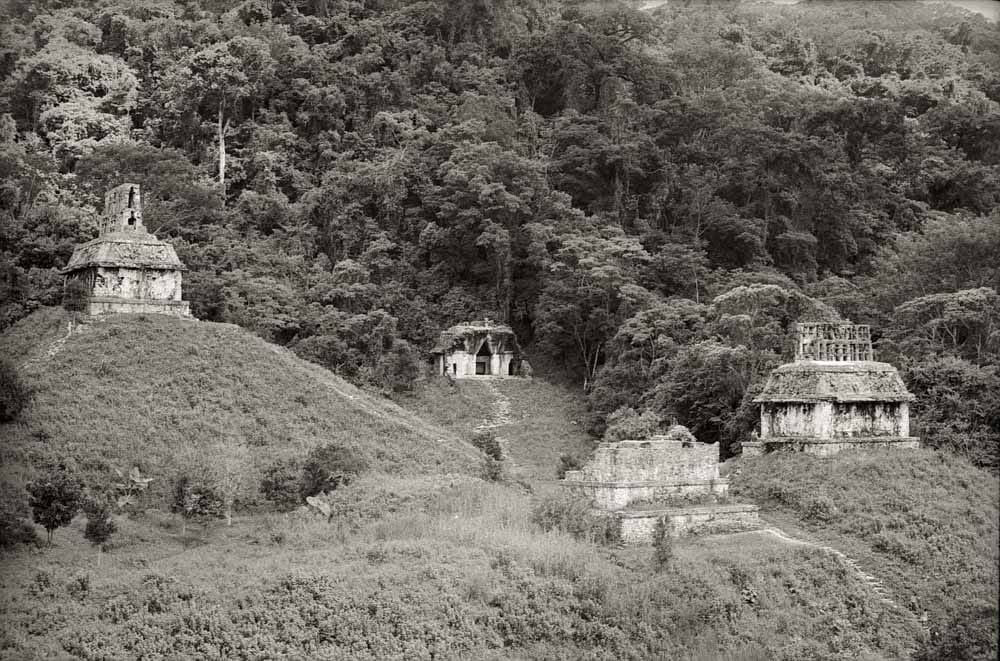
Echoes of oblivion: the ruins of a castle devoured by fire. For nearly two thousand years before the Roman invasion in 123 BC, the Talaiotic islanders of Menorca dug extensive cliff tombs, built majestic stone temples and collective funerary monuments that have remained to this day as a testament to an extraordinary Mediterranean civilisation about which very little is known. The city of Paquimé was abandoned sometime in the 13th century, threatened with annihilation by warring tribes from the south; the ancient Anasazi built architectural complexes on the walls of deep canyons only to desert them 700 years ago. Vestiges of vanished cultures and keepers of secrets, a dynamic relationship between construction and decay, presence and absence.
These images reveal the enduring human imprint on the landscape and the complex relationship between civilisation, architecture, and territory, offering a visual interpretation of how settlements, constructions, and their remains slowly integrate into the topography, becoming an inseparable part of the natural environment. Each ruin, each eroded wall, or fragment of construction is presented as a sculptural object, where stone, mud, and space intertwine in tensions that simultaneously evoke fragility and monumentality. Architectural forms emerge as volumes shaped by time, in which erosion, sedimentation, and light act as transformative agents that continually redefine their presence in the landscape.